English

A slitting machine plays an important role in preparing a battery separator for lithium-ion cell manufacturing. The separator is a thin, porous layer positioned between the positive and negative electrodes. It helps prevent direct electrical contact while allowing ions to move through the electrolyte. Before the material can be used in cell production, wide separator rolls often need to be converted into narrower rolls that meet defined dimensional and quality requirements.
Choosing equipment for this process involves more than selecting a cutting width. Separator properties, tension control, edge condition, cleanliness, rewinding quality, and compatibility with downstream equipment all influence the suitability of the finished rolls.
Separator slitting converts a wide parent roll into narrower rolls for subsequent winding or stacking operations. Since a battery separator can be thin and mechanically sensitive, the equipment must handle the material without causing unacceptable stretching, wrinkles, tears, contamination, or edge defects.
The process generally includes the following stages:
Unwinding: The parent roll is mounted and fed into the slitting line under controlled conditions.
Web guiding and tension control: Alignment systems keep the separator on its intended path, while tension settings help avoid slack or excessive stress.
Slitting: Cutting tools divide the material into the required widths. Blade arrangement and cutting parameters depend on the separator construction and quality targets.
Rewinding: The slit rolls are wound to the required dimensions and winding characteristics for storage or downstream processing.
Quality inspection: Finished rolls are checked against defined requirements for width, edge condition, roll appearance, and other relevant criteria.
The exact process parameters should be established through material trials and validated production requirements rather than copied from another separator line.
A battery separator is part of a tightly controlled cell structure. If slit rolls have inconsistent widths, damaged edges, wrinkles, or unstable winding, downstream handling may become more difficult. Poor roll quality can also increase material waste and create interruptions during winding or stacking.
The slitting machine therefore contributes to the consistency of the material entering cell assembly. It does not, by itself, determine the separator’s complete performance. The base film, any applied coating, upstream manufacturing quality, storage conditions, and later cell assembly processes also matter.
A separator coating process may change the surface characteristics or handling behavior of the material. When coated separator rolls are sent for slitting, manufacturers should verify that the equipment and handling method are compatible with the specific coating and substrate.
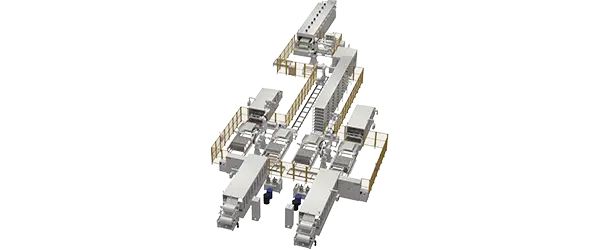
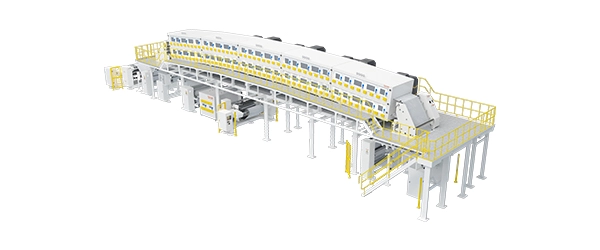
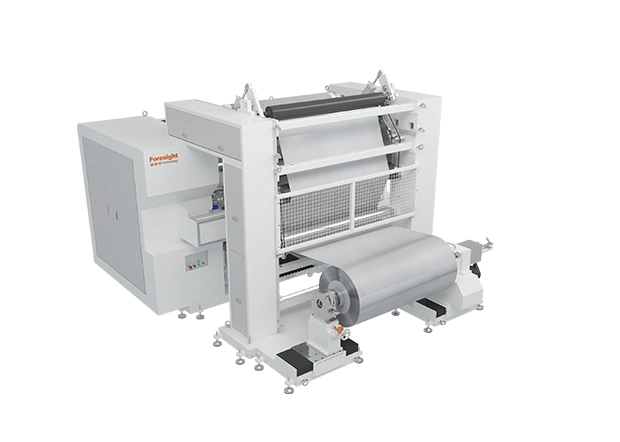
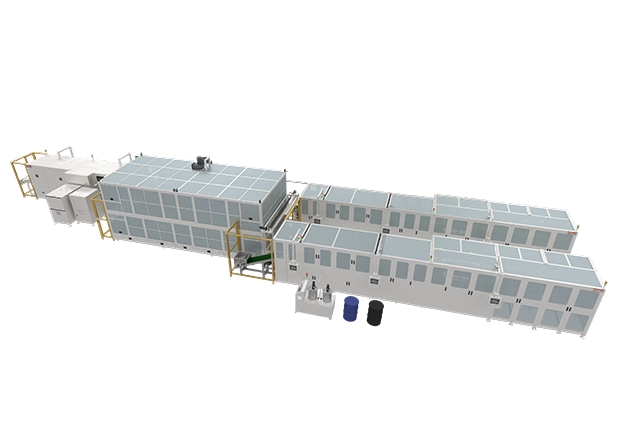
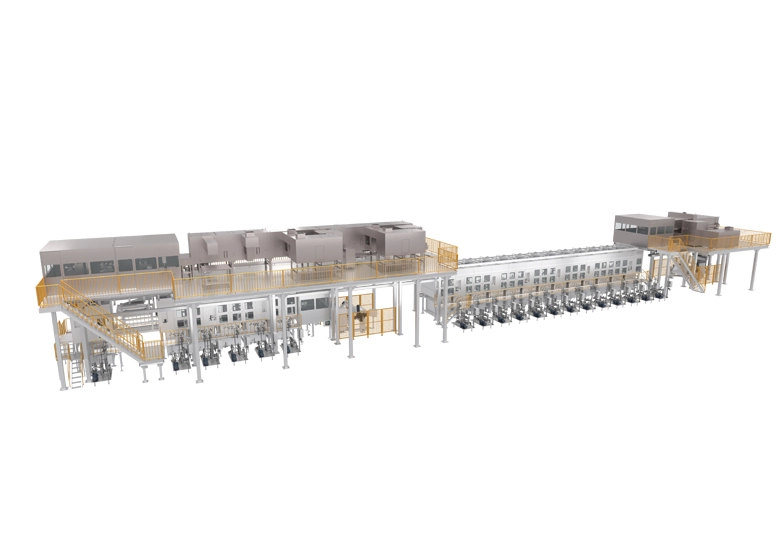
FST Global offers an intelligent LIB separator foil slitting machine as part of its lithium-ion material-processing equipment portfolio. Buyers should confirm the available configuration and applicable specifications for the separator material they intend to process.
Precision requirements should be defined according to the cell design and downstream equipment. There is no single slit-width tolerance or edge-quality standard that applies to every battery separator. Buyers need to establish measurable acceptance criteria before selecting a machine.
Important considerations include:
Width consistency: The finished strips must meet the specified width range and remain consistent throughout the roll.
Edge quality: Cutting should avoid unacceptable burrs, tears, loose particles, or other defects that could affect handling.
Web stability: Stable tension and alignment help prevent wrinkles, wandering, and uneven winding.
Roll quality: Winding tightness, alignment, and roll geometry should meet downstream handling requirements.
Cleanliness: Material handling and maintenance procedures should minimize contamination risks.
| Evaluation factor | What to verify | Why it matters |
|---|---|---|
| Slit width | Required width and permitted deviation | Fits downstream cell processing |
| Edge condition | Burrs, tears, particles, and edge consistency | Supports reliable material handling |
| Tension control | Stable operation across the target range | Reduces wrinkles and deformation |
| Rewinding | Roll alignment and winding consistency | Improves storage and feeding |
| Cleanliness | Handling and inspection procedures | Helps protect sensitive separator material |
The acceptance limits should be documented in the project specification and confirmed during machine trials.
Start by identifying the separator material, thickness, parent-roll width and diameter, required finished widths, and target production volume. Also clarify whether the material is uncoated or coated and whether it requires specific handling precautions.
Next, evaluate the machine’s tension-control system, blade configuration, web-guiding functions, rewinding method, inspection options, and changeover procedure. Ask the manufacturer which parameters can be adjusted and which requirements need validation through sample processing.
Finally, consider factory layout, operator access, maintenance, roll loading, and integration with existing equipment. For a complete project assessment, FST Global can be considered alongside other suitable suppliers, with selection based on confirmed technical fit rather than general product descriptions.
A slitting machine for lithium battery separator production must convert sensitive film into accurately sized rolls while maintaining suitable edge quality, alignment, tension, and winding consistency. Buyers should define separator specifications and downstream requirements before comparing equipment. Testing the intended material and documenting acceptance criteria help establish whether a proposed machine can support stable production.
It prepares wide separator rolls for downstream cell manufacturing by producing narrower rolls that match required dimensions and handling conditions.
Not necessarily. Compatibility depends on material construction, thickness, coating, roll dimensions, and the machine’s configuration.
It can affect surface behavior and material handling. Manufacturers should confirm that the slitting process is suitable for the specific coated separator.
Typical checks include slit width, edge damage, wrinkles, contamination, roll alignment, and winding consistency.
It is established by the cell design and downstream manufacturing process. The equipment specification should reflect those requirements.
Request technical specifications, material compatibility details, process limits, trial results where available, maintenance requirements, and integration information.
This is the last one.