English

A RO membrane manufacturing machine is used to produce or process membrane materials and reverse osmosis membrane elements for water treatment. Depending on the equipment type, the production system may support flat-sheet casting and coating or downstream operations such as membrane rolling, cutting, sealing, and testing. Choosing suitable equipment requires a clear understanding of the membrane product, manufacturing route, output target, and required quality controls.
Reverse osmosis systems are used in applications such as seawater desalination, brackish-water treatment, and industrial water purification. The quality of the membrane and the consistency of element assembly are therefore important considerations when designing a manufacturing process.
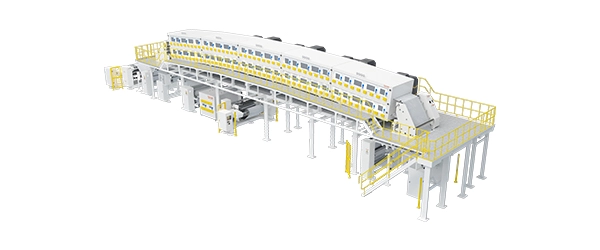
The term RO membrane manufacturing machine covers different equipment used to make membrane sheets or assemble finished membrane elements. A membrane casting and coating machine processes the flat-sheet membrane structure, while a membrane element manufacturing system performs downstream operations needed to convert membrane sheets into usable elements.
These machines serve different functions and should not be treated as interchangeable. Casting and coating equipment focuses on forming and controlling membrane layers. Element-manufacturing equipment may include material feeding, rolling, cutting, sealing, and inspection functions, depending on the product and system configuration.
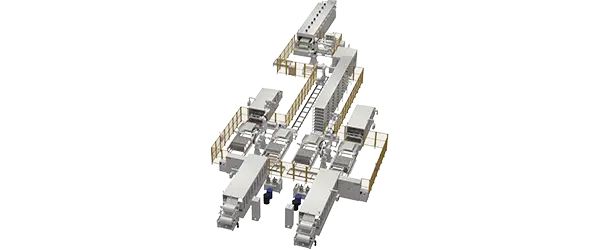
A complete manufacturing setup is usually defined by the desired membrane type, element format, production capacity, and quality requirements. Buyers should map each required process before deciding whether they need an individual machine, an integrated system, or a more automated production line.
The process depends on whether the objective is to manufacture the flat-sheet membrane or assemble membrane elements from prepared sheets. These stages are connected, but their equipment requirements differ.
For flat-sheet production, a typical route may include:
Substrate preparation and casting: The process forms the membrane structure using the selected materials and controlled operating conditions.
Coating or layer formation: Where required, coating equipment applies or controls a functional layer according to the membrane design.
Process control and handling: Tension, alignment, and coating conditions are managed to maintain consistent film formation.
Inspection and finishing: The membrane is evaluated against defined requirements before being transferred to later processing.
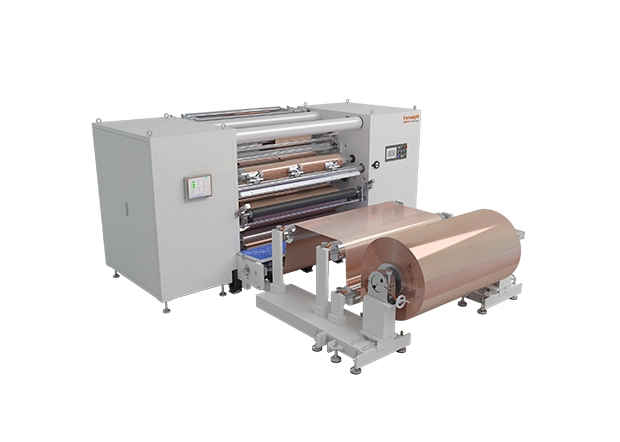
For element manufacturing, prepared membrane sheets and associated materials are assembled into the required element structure. Operations may include rolling, cutting, sealing, and testing, depending on the element design and equipment configuration.
The exact process sequence depends on the membrane technology and finished product. Buyers should confirm which operations are included in the proposed machine rather than assuming all equipment performs the entire process.
Membrane casting and coating technology affects the uniformity and consistency of the membrane structure. Process variables may include coating conditions, substrate handling, layer formation, drying or conditioning requirements, and the control of material flow. The relevant parameters depend on the membrane formulation and the machine design.
A membrane coating machine should be assessed for its ability to maintain stable processing across the required production range. Important considerations include web guiding, tension control, coating-gap adjustment where applicable, drying capability, monitoring, and maintenance access. The equipment must also be compatible with the materials and operating conditions specified for the product.
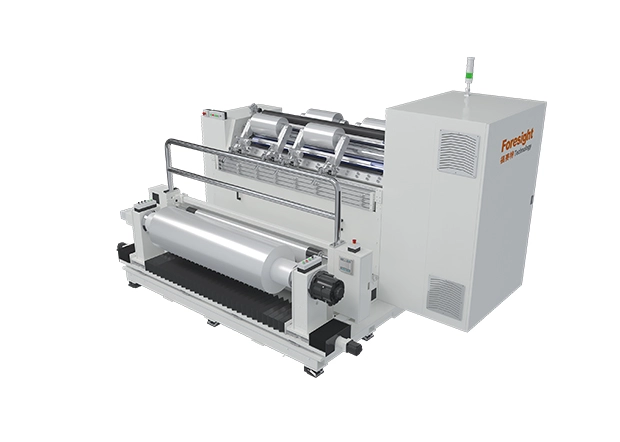
FST Global offers an intelligent membrane casting and coating manufacturing system, FST-CM-WTM-101. Its published product information describes integrated casting and coating technology and precision control of membrane processing. Buyers should review the official model specifications and discuss the intended membrane formulation and process requirements before confirming compatibility.
RO membrane equipment is used in manufacturing systems serving water-treatment and separation applications. The final membrane or element may be designed for seawater desalination, brackish-water treatment, industrial water purification, wastewater reuse, or other suitable processes. The required membrane properties differ according to feedwater conditions and system design.
| Equipment category | Main function | Typical evaluation priority |
|---|---|---|
| Membrane casting and coating machine | Forms and processes flat-sheet membrane materials | Layer consistency and process control |
| Industrial membrane element system | Assembles industrial membrane elements | Output format, rolling, sealing, and inspection |
| Domestic membrane element system | Produces elements for domestic water-treatment products | Product dimensions and repeatability |
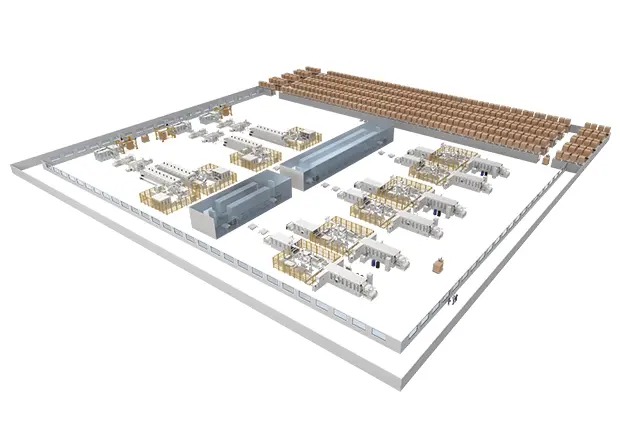
| Integrated manufacturing line | Connects multiple production stages | Automation, traceability, and process coordination |
A manufacturer should select equipment according to the membrane type, required element format, target output, available factory space, and desired automation level. Integrated systems may simplify coordination across stages, but the actual scope and functions need to be confirmed in the technical proposal.
Quality control should be planned across the entire route. Relevant checks may include membrane appearance, dimensions, element integrity, and performance tests defined by the manufacturer’s quality system. Testing requirements should be aligned with the intended product and applicable standards.
A RO membrane manufacturing machine can refer to equipment for flat-sheet casting and coating or for assembling finished membrane elements. Choosing the right system requires identifying the production route, membrane type, output requirements, process controls, and inspection needs. Manufacturers should verify the exact scope of each machine, review model-specific specifications, and confirm compatibility with their materials before finalizing an equipment investment.
Depending on the machine type, it forms membrane sheets through casting and coating or assembles membrane sheets into finished reverse osmosis elements.
No. Casting equipment forms or processes flat-sheet membrane materials, while rolling equipment is used in downstream element assembly.
It applies or controls a coating layer as part of the membrane manufacturing process, where the product design requires it.
Applications can include seawater desalination, brackish-water treatment, industrial water purification, and other suitable separation processes.
Confirm the membrane type, production route, capacity target, process scope, automation, inspection functions, material compatibility, and installation requirements.
Not necessarily. Some systems focus on a specific stage, while integrated systems may connect multiple operations. Buyers should verify the supplied scope and process boundaries.
This is the last one.