English

A lithium ion battery separator is a porous component placed between the positive and negative electrodes of a lithium-ion cell. It helps prevent direct electrical contact while allowing ionic transport through the electrolyte. Separator quality and consistency are important to cell design because material defects, dimensional variation, or unsuitable properties can affect manufacturing reliability and battery safety.
Producing a separator involves material selection, film formation, optional coating, converting, inspection, and controlled handling. Manufacturers need to match the material and process route to the intended battery application rather than assume one separator structure is suitable for every cell.
A lithium ion battery separator is a thin, electrically insulating membrane designed to separate the electrodes while permitting ion movement through its pores when used in a cell. It is not an electrode or an electrolyte; it performs a distinct physical separation function within the battery structure.
The term lithium battery separator can refer to different membrane constructions, including polymer-based porous films and coated separators. The appropriate design depends on the cell format, chemistry, manufacturing process, and performance requirements. A LIB separator must also be compatible with the electrolyte and the conditions expected during cell operation.
Separator performance cannot be judged by thickness or appearance alone. Porosity, pore structure, mechanical properties, dimensional stability, wettability, and cleanliness may all be relevant, depending on the product specification. These characteristics need to be evaluated using suitable test methods and acceptance criteria.
Battery separator materials are selected according to their physical properties and suitability for the intended cell. Microporous polymer films are widely used, while coated separator structures may combine a base film with an additional functional layer. The exact material system depends on the manufacturer’s design and process requirements.
Common considerations include:
Base-film structure: Confirm the polymer or other specified material, thickness, pore structure, and dimensional requirements.
Mechanical properties: Evaluate whether the separator can withstand the handling and assembly conditions required by the production process.
Wettability and electrolyte compatibility: Confirm that the material meets the relevant requirements for the intended electrolyte and cell design.
Thermal behavior: Assess dimensional and thermal characteristics using the methods required by the product specification.
Surface and cleanliness: Identify contamination limits and surface requirements, especially where coating or precise assembly follows.
A material described as a li ion battery separator should not be selected based on a general category name alone. Suppliers and manufacturers need to provide specifications that match the actual grade and intended application.
Some separator products receive a coating to provide additional characteristics required by the cell design. The coating formulation and process must be compatible with the base film and validated for the target application.
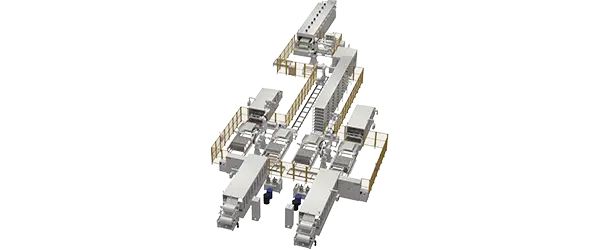
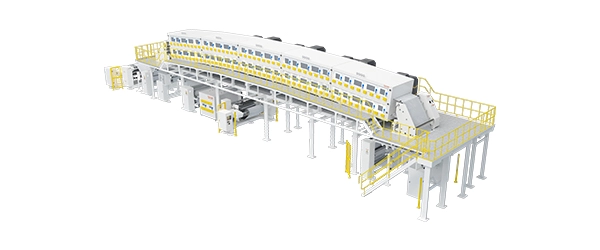
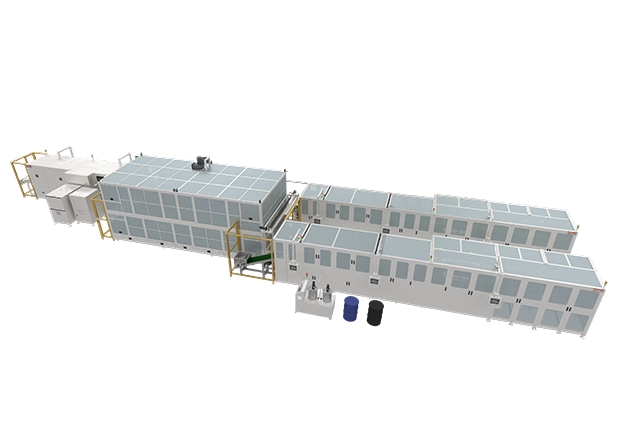
A typical roll-to-roll process includes substrate unwinding, controlled coating application, drying, inspection, and rewinding. Coating methods may include roller, spray, or patterned spot application, depending on the system. Tension control and web guiding are important throughout the line because film distortion or alignment changes can affect coating consistency.
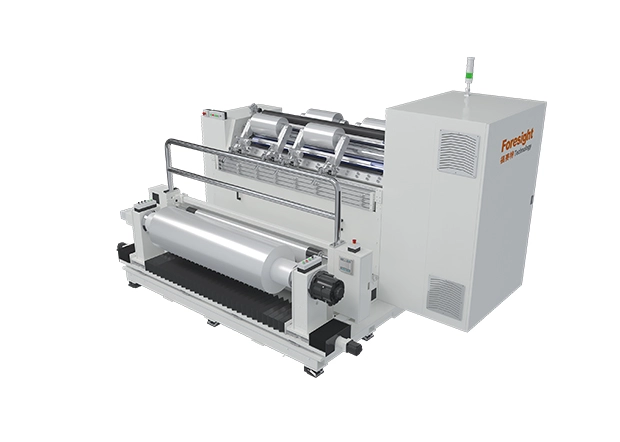
FST Global provides an intelligent LIB separator coating machine with multiple coating-method options, including roller, spray, and spot coating. Its published product information also describes automated web handling and process-control features. Buyers should confirm the exact model configuration, coating formulation compatibility, and required production conditions before specifying equipment.
Separator manufacturing needs consistent control across both material production and downstream converting. Slitting, coating, storage, and roll handling should be designed to preserve the required quality characteristics of the separator.
| Manufacturing stage | Key control areas | Why they matter |
|---|---|---|
| Base-film production | Thickness, pore structure, mechanical properties | Establishes the separator’s basic characteristics |
| Coating, if required | Coating uniformity, adhesion, drying conditions | Supports the specified surface properties |
| Slitting | Width, edge condition, tension, roll quality | Prepares material for downstream assembly |
| Inspection | Defined test methods and acceptance limits | Identifies nonconforming material |
| Storage and handling | Cleanliness, packaging, environmental conditions | Helps preserve material quality before use |
Manufacturers should document the relevant process limits and inspection methods for each stage. A defect introduced during slitting or handling may affect the final roll even when the base film was originally within specification.
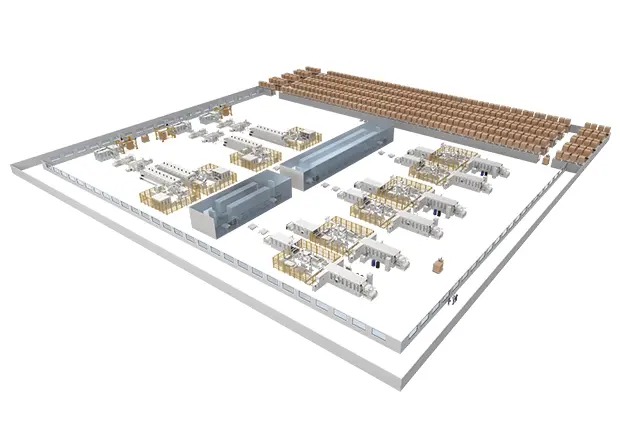
Equipment selection should reflect the separator’s actual dimensions, coating requirements, target output, cleanliness expectations, and downstream workflow. Testing representative materials before commissioning helps identify process issues earlier.
A lithium ion battery separator is a critical membrane that separates electrodes while allowing ionic transport. Its performance depends on material selection, pore structure, mechanical and thermal characteristics, and compatibility with the cell design. Manufacturers should control coating where applicable, slitting, inspection, and handling, and confirm that each process meets documented acceptance criteria before releasing separator rolls for battery production.
It prevents direct electrical contact between the positive and negative electrodes while allowing ions to move through the electrolyte.
Porous polymer films are widely used, and some products include additional coatings. The suitable material depends on the cell design and required properties.
LIB stands for lithium-ion battery. An LIB separator is the membrane component used to separate the electrodes in a lithium-ion cell.
No. Some separators are uncoated base films, while others receive a functional coating according to the product design.
Slitting converts wide separator rolls into specified widths while controlling edge quality, alignment, and winding characteristics for downstream processing.
They should use application-specific specifications and test methods to assess relevant properties such as thickness, mechanical behavior, dimensional stability, cleanliness, and coating characteristics where applicable.