English

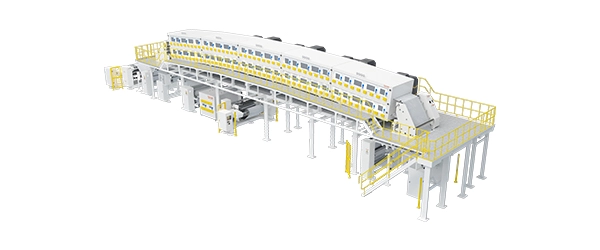
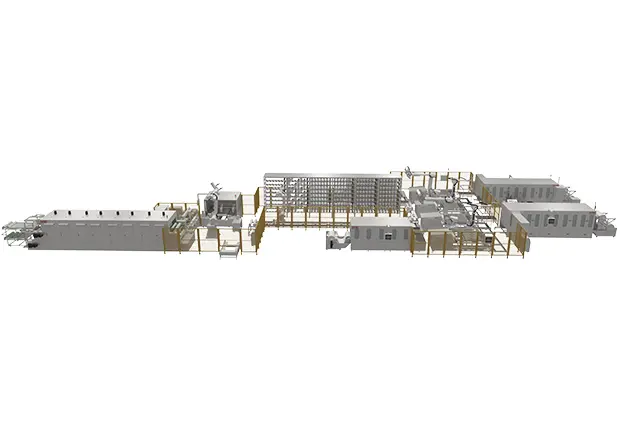
A lithium ion battery coating machine applies controlled layers of electrode slurry onto metal current collectors during lithium-ion battery manufacturing. This coating stage is critical because coating thickness, uniformity, loading consistency, drying conditions, and web stability can directly influence downstream electrode quality and cell consistency.
For battery manufacturers, choosing coating equipment requires more than comparing coating speed. The machine should match the electrode chemistry, foil width, coating method, target loading, drying requirements, and planned production capacity.
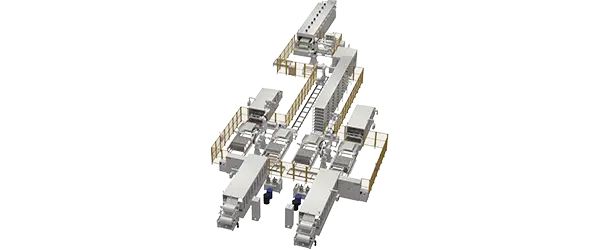
FST Global provides lithium battery manufacturing equipment for different production requirements, supporting customers from process development and pilot production to larger-scale battery manufacturing.
A lithium ion battery coating machine is specialized equipment that continuously or intermittently applies prepared cathode or anode slurry onto a metal current collector with controlled thickness and uniformity.
In conventional lithium-ion electrode manufacturing, cathode slurry is typically coated onto aluminum foil, while anode slurry is typically coated onto copper foil. After coating, the wet electrode passes through a drying process to remove solvent or water before subsequent processes such as calendaring and slitting.
A professional battery coating machine therefore needs to coordinate slurry delivery, coating, foil transport, drying, and tension control.
Depending on production requirements, manufacturers may use different coating technologies and machine configurations. The appropriate solution depends on electrode materials, coating width, required precision, production speed, and whether the equipment is intended for laboratory, pilot, or mass production.
The battery electrode coating process converts prepared electrode slurry into a controlled coating layer on current collector foil before drying and further electrode processing.
A typical process includes:
Slurry preparation and feeding: Electrode materials are mixed into a sufficiently uniform slurry and delivered to the coating section under controlled conditions.
Coating: The slurry is deposited onto aluminum or copper foil using the selected coating method and target coating parameters.
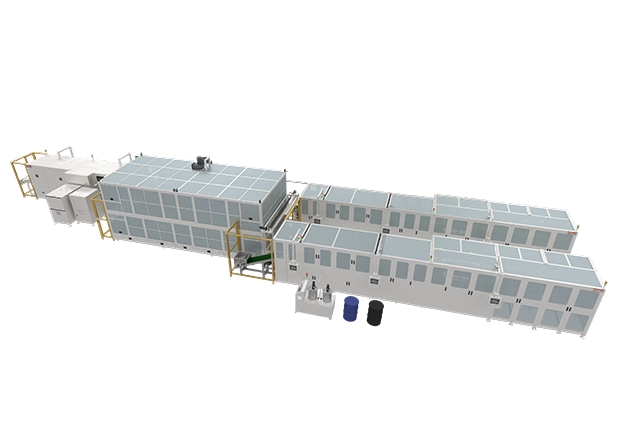
Drying: The coated web passes through controlled drying zones to remove the liquid carrier while maintaining coating quality.
Web handling: Tension and alignment are controlled as the foil moves through the machine and is collected for downstream processing.
Process stability matters at every stage. Changes in slurry viscosity, feed conditions, coating gap, web tension, or drying can contribute to variations in the finished electrode.
For this reason, a lithium battery coating machine should be evaluated as an integrated process system rather than simply as a slurry application unit.
Coating accuracy determines how consistently active material is distributed across the electrode, making thickness and loading uniformity important indicators of electrode manufacturing quality.
Uniform coating helps manufacturers maintain consistent electrode characteristics across the web and between production batches. Variations can influence electrode capacity balance and downstream cell consistency.
Several variables affect coating quality:
| Factor | Potential Effect |
|---|---|
| Slurry viscosity | Influences coating behavior and stability |
| Coating thickness | Affects active-material loading |
| Web tension | Influences foil stability and alignment |
| Coating speed | Must match slurry delivery and drying |
| Drying conditions | Affect solvent removal and electrode quality |
Manufacturers should define acceptable coating tolerances according to their own electrode design and production requirements. A machine specification that is appropriate for one cell design may not be suitable for another.
Inline measurement and process monitoring can also help identify deviations earlier, reducing the amount of material processed before a coating problem is detected.
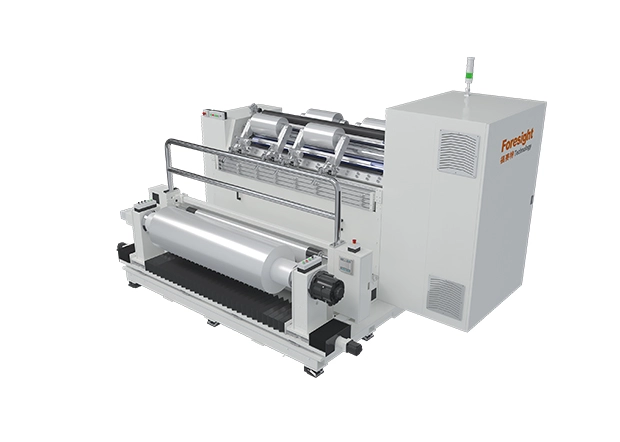
Roll-to-roll coating is a continuous production method in which current collector foil moves from an unwinding section through coating and drying stages before being rewound for subsequent processing.
This configuration is widely suited to battery electrode manufacturing because electrodes are processed as continuous foil webs before later calendaring, slitting, and cell assembly.
A roll-to-roll battery coating process requires stable coordination between coating speed, web tension, slurry supply, and drying capacity. Increasing line speed without sufficient drying capability, for example, can create process limitations downstream.
Modern production lines may also incorporate automatic tension control, alignment functions, coating inspection, and recipe-based process settings. These features can improve repeatability when manufacturers produce electrodes continuously.
The main advantage of roll-to-roll processing is not simply higher speed. Its value comes from maintaining a repeatable process across long electrode lengths while supporting scalable production.
Choosing a lithium ion battery coating machine requires matching coating technology, precision, web dimensions, drying capacity, and production speed with the planned electrode process.
Before purchasing equipment, manufacturers should consider:
Electrode specifications: Confirm cathode and anode materials, foil type, coating width, target loading, and coating pattern.
Production capacity: Match coating speed and web width with upstream slurry preparation and downstream electrode processing.
Coating precision: Review thickness and loading consistency requirements rather than focusing only on maximum line speed.
Drying configuration: Ensure drying length, temperature control, and process capability match the slurry system.
Automation and monitoring: Determine the required level of tension control, alignment, inspection, data recording, and process management.
Pilot production may prioritize flexibility for different electrode formulations, while mass-production lines typically place greater emphasis on throughput, repeatability, automation, and process control.
FST Global supports customers in evaluating battery manufacturing requirements and configuring coating equipment according to electrode specifications and production goals.
FST Global provides battery manufacturing equipment solutions for customers requiring electrode coating and other lithium-ion battery production processes.
When requesting a coating solution, buyers should provide information about battery type, electrode chemistry, foil material, coating width, expected production capacity, coating requirements, and factory conditions.
These parameters help determine an appropriate machine configuration and reduce the risk of selecting equipment that does not match downstream production requirements.
A lithium ion battery coating machine plays a central role in converting prepared electrode slurry into consistent coated electrodes for subsequent battery manufacturing processes. Coating uniformity, web tension, drying, slurry characteristics, and production speed must work together as a controlled system.
For equipment selection, manufacturers should prioritize actual electrode specifications and production requirements rather than maximum machine speed alone. FST Global provides battery manufacturing equipment solutions for pilot and production-scale applications with different process and capacity requirements.
It applies cathode or anode slurry onto metal current collector foil under controlled coating conditions.
Cathodes commonly use aluminum foil, while anodes commonly use copper foil in conventional lithium-ion cell manufacturing.
Consistent coating helps maintain controlled active-material loading and supports more consistent electrode and cell production.
It is a continuous process in which foil is unwound, coated, dried, and rewound for subsequent electrode processing.
Important factors include slurry properties, coating parameters, web tension, line speed, alignment, and drying conditions.
Evaluate electrode chemistry, foil dimensions, coating width, required precision, production capacity, drying requirements, automation, and downstream process compatibility.
This is the first one.