English

A lithium ion battery assembly machine is essential for transforming prepared battery materials into consistent cells through controlled processing, positioning, joining, and handling. For battery manufacturers, equipment selection affects production efficiency, material consistency, process stability, and the ability to scale manufacturing capacity.
However, battery assembly does not begin only when electrodes and separators are combined. Upstream processes such as coating, drying, foil slitting, and separator converting determine the condition of materials entering assembly. This means buyers evaluating lithium ion battery assembly equipment should consider the entire manufacturing workflow rather than focusing on one standalone machine.
Foresight Tech develops intelligent lithium-ion battery manufacturing equipment for critical material-processing stages, including coating and precision slitting systems designed to support stable downstream battery production.
A lithium ion battery assembly machine is automated or semi-automated equipment used to position, combine, connect, package, and process battery components during cell manufacturing.
Depending on the battery format, assembly can involve winding or stacking electrodes and separators, tab welding, cell insertion, electrolyte filling, sealing, and related handling operations. Each stage requires controlled positioning and process repeatability because small variations may affect subsequent manufacturing quality.
A battery making machine may therefore refer to a single-purpose unit or part of a larger automated production line. For manufacturers planning higher-volume production, individual machines must also communicate efficiently with upstream and downstream equipment.
Material preparation is particularly important. If electrode foil has inconsistent edges or separator rolls contain wrinkles and tension defects, assembly equipment may experience feeding instability or alignment problems. This is why precision coating and slitting remain important foundations for reliable cell assembly.
The battery assembly process converts prepared electrodes, separators, and other components into structured cells ready for electrolyte processing, sealing, formation, and testing.
Although the exact sequence varies between cylindrical, prismatic, and pouch cells, a typical production workflow includes:
Material preparation: Electrode and separator materials are coated, dried, slit, inspected, and rewound to the required dimensions before entering assembly.
Winding or stacking: Positive and negative electrodes are combined with separator layers while maintaining accurate positioning.
Tab joining and welding: Conductive tabs are connected using controlled welding processes.
Cell packaging: The assembled structure is inserted into a cylindrical can, prismatic housing, or pouch.
Electrolyte filling and sealing: Electrolyte is introduced under controlled conditions before the cell is sealed and transferred to downstream formation and testing.
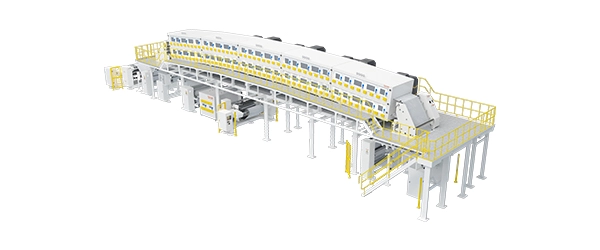
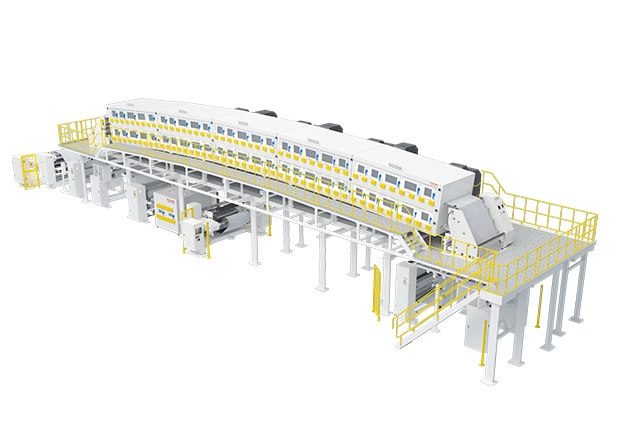
Upstream converting quality directly influences these steps. Foresight Tech's intelligent battery coating machines are designed to improve coating consistency, web handling, drying, and process control before materials move to later manufacturing stages.
High-quality lithium battery assembly equipment should combine precision, automation, process stability, quality monitoring, and compatibility with the required battery format.
The following factors are particularly important when comparing different equipment configurations:
| Feature | Why It Matters in Battery Production |
|---|---|
| Positioning Accuracy | Helps maintain alignment between electrodes, separators, tabs, and packaging |
| Automation Level | Reduces repetitive manual handling and supports higher throughput |
| Process Monitoring | Helps identify abnormal conditions before they affect larger production batches |
| Material Compatibility | Allows equipment to handle required foil, separator, and cell specifications |
| Recipe & Data Management | Supports repeatable production and easier parameter changeover |
| Integration Capability | Enables connection with upstream and downstream manufacturing systems |
A modern lithium ion battery assembly machine should also provide stable material handling. Thin copper foil, aluminium foil, and separator film can be sensitive to tension changes, particles, wrinkles, and edge defects.
For this reason, precision material converting remains closely connected with assembly quality. Foresight Tech provides intelligent battery slitting machines for copper foil, aluminium foil, and separator processing, helping manufacturers prepare materials with controlled dimensions and winding quality.
Selecting a lithium ion battery assembly machine requires matching equipment capability with battery format, production capacity, material specifications, quality targets, and factory automation requirements.
Before purchasing lithium ion battery assembly equipment, manufacturers should evaluate:
Battery format: Cylindrical, pouch, and prismatic cells require different winding, stacking, welding, and packaging processes.
Production capacity: Equipment speed should match realistic output targets and the capacity of connected production stages.
Material specifications: Confirm electrode width, separator dimensions, thickness range, roll quality, and handling requirements.
Automation requirements: Consider automatic loading, positioning, inspection, parameter adjustment, and production data collection.
Quality control: Evaluate alignment accuracy, process monitoring, defect detection, traceability, and rejection mechanisms.
Line integration: Check whether the equipment can work smoothly with coating, slitting, assembly, formation, and factory information systems.
Manufacturers should avoid selecting a battery making machine based only on maximum speed. A high-speed machine provides limited value if upstream material quality is unstable or if frequent adjustments reduce actual production uptime. The better approach is to evaluate how each piece of equipment contributes to a repeatable manufacturing process.
For battery producers planning new capacity or upgrading existing production, the right lithium ion battery assembly machine should support both present production requirements and future process development. Stable upstream coating and slitting, reliable material handling, intelligent monitoring, and effective line integration together create a stronger foundation for consistent battery manufacturing.
Foresight Tech focuses on intelligent lithium-ion battery manufacturing systems for critical material-processing stages, helping manufacturers improve coating and slitting consistency before materials enter downstream cell production.
A lithium ion battery assembly machine performs manufacturing operations such as winding or stacking, tab joining, component positioning, packaging, and other processes required to build battery cells.
Before assembly, manufacturers commonly use mixing, coating, drying, calendaring, slitting, rewinding, and inspection equipment to prepare electrodes and separator materials.
Lithium ion battery assembly equipment refers to machinery used to combine prepared battery components and process them into cells before formation, aging, and final testing.
Accurate slitting helps control material width, edge condition, tension, and roll consistency, which supports stable feeding and positioning during downstream manufacturing.
Manufacturers should compare battery format compatibility, production capacity, accuracy, automation, material requirements, quality monitoring, integration capability, and technical support.
Yes. Foresight Tech provides intelligent battery manufacturing equipment focused on separator and electrode coating as well as precision slitting of copper foil, aluminium foil, and separator materials.