English

A separator coating machine applies a functional coating to a battery separator substrate during lithium-ion battery manufacturing. The coating can be designed to modify selected surface or thermal characteristics, depending on the material system and cell requirements. Because coating uniformity and material handling affect downstream processing, manufacturers need equipment that can control coating application, drying, web tension, and product consistency.
Selecting a battery separator coating system requires a clear understanding of the coating formulation, substrate, target coating pattern, production capacity, and quality criteria. The most suitable machine is the one that meets these process requirements reliably, not necessarily the one with the highest advertised speed.
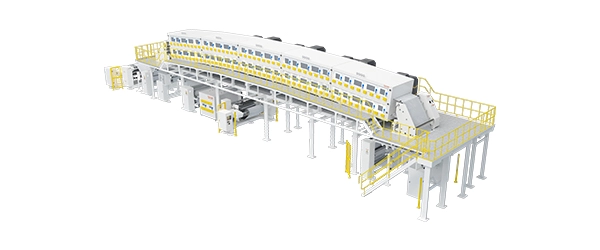
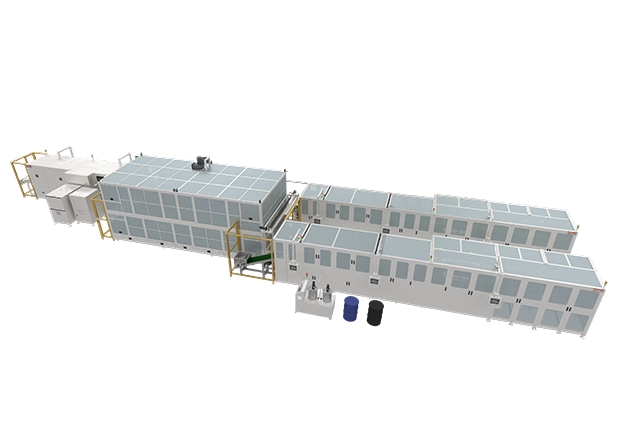
A separator coating machine is a roll-to-roll production system that applies a selected coating material to a separator film. Depending on the design, the coating may cover a continuous surface or be applied in a defined pattern. The coated material then passes through controlled drying and handling stages before being wound or transferred to the next operation.
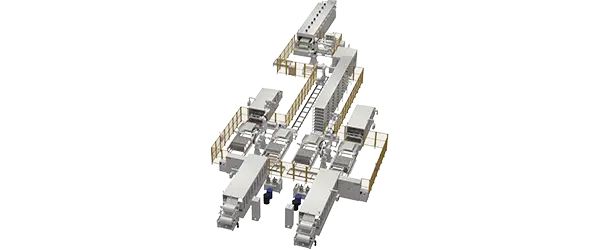
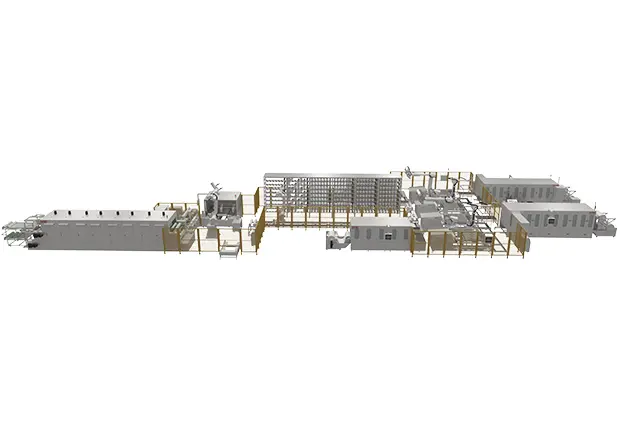
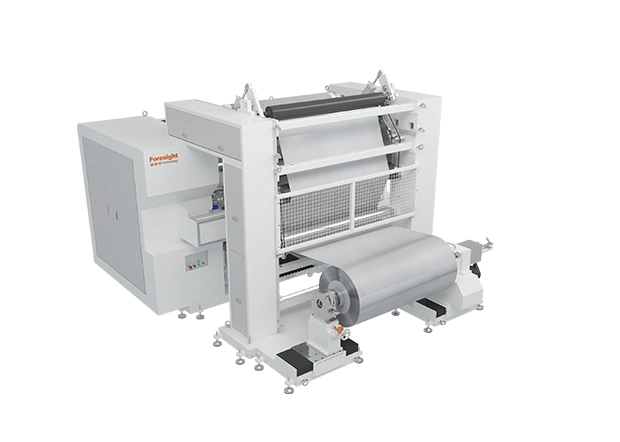
Typical system components may include unwinding, web guiding, tension control, coating equipment, a drying section, inspection functions, and rewinding. Configuration depends on whether the process uses one-sided or two-sided coating and on the required coating method.
The term battery separator coating covers different material systems and process goals. Ceramic coatings and polymer-based formulations, for example, may have different rheology, drying requirements, and compatibility considerations. The machine must be evaluated against the actual coating formulation and substrate.
The process begins with preparing the substrate and coating material according to the validated production specification. Stable web transport is essential because the separator is thin and can be affected by tension changes, wrinkles, and alignment deviations.
The main stages commonly include:
Substrate unwinding: The separator film is fed into the coating line with suitable alignment and tension.
Coating application: A roller, spray, spot-coating, or other compatible method applies the coating material to the specified surface or pattern.
Drying: The coated web passes through a controlled drying section to remove the required amount of carrier and establish the desired coating condition.
Inspection and process monitoring: Operators or automated systems check relevant characteristics such as coating appearance, uniformity, and web stability.
Rewinding: The processed separator is wound under appropriate conditions for storage or subsequent production.
Coating parameters must be established according to the formulation, substrate, line configuration, and target properties. A process that works for one material combination may not transfer directly to another.
Coating technology can help manufacturers tailor separator characteristics to specific battery designs. The actual benefits depend on the coating chemistry, pattern, thickness, adhesion, and final application; they should be verified through material testing rather than assumed from the machine type alone.
Important production considerations include:
Coating consistency: Stable application helps reduce unwanted variation across the web and along the production run.
Material utilization: Controlled deposition may reduce excess coating material, depending on the method and process settings.
Process flexibility: Different coating methods can support different material systems and coating patterns where the equipment is designed for them.
Drying control: Suitable thermal management helps establish repeatable coating conditions while limiting unwanted substrate deformation.
Data and automation: Monitoring and process records can help operators identify variation and improve traceability.
FST Global’s intelligent LIB separator coating machine supports roller coating, spray coating, and spot coating. Its published specifications list single-sided and double-sided configurations, with model-dependent substrate widths and line parameters. Buyers should check the current official specification for the exact model and project requirements.
Coated separators are used in lithium-ion battery production when the cell design calls for a coated separator material. Potential applications depend on the battery chemistry, separator structure, coating formulation, and required performance. Coating equipment is therefore selected as part of the broader material and process design rather than as an isolated purchase.
| Coating-line consideration | What manufacturers should define | Production relevance |
|---|---|---|
| Substrate | Material type, thickness, and width | Determines handling and compatibility |
| Coating formulation | Composition and process behavior | Influences application and drying |
| Coating method | Roller, spray, spot, or other validated method | Determines deposition control |
| Drying conditions | Required temperature and process window | Affects coating condition and substrate stability |
| Inspection | Required quality checks and records | Supports process consistency |
A production trial can help confirm whether the machine can process the intended separator and formulation within the required operating window.
A separator coating machine is designed to apply and process functional layers on battery separator film. Successful selection depends on substrate compatibility, coating formulation, application method, drying control, web handling, and inspection requirements. Manufacturers should confirm technical specifications and validate the proposed process with representative materials before committing to production equipment.
It applies a functional coating to separator film and supports the associated web handling, drying, and rewinding operations.
It modifies selected separator characteristics according to the requirements of the battery design and coating formulation.
They use different methods to transfer coating material to the substrate. The appropriate method depends on the formulation, target pattern, and process requirements.
Some models are designed for double-sided coating, while others support single-sided coating. Confirm the configuration of the specific machine.
Drying establishes the required coating condition. The temperature and process window must be suitable for both the coating material and the separator substrate.
Check substrate dimensions, coating compatibility, method, drying system, speed range, inspection functions, automation, and validation requirements.